

Online Marketing Guide — In today’s fast-moving digital world, online marketing has become an essential tool for small businesses striving to grow, compete, and build a strong presence in the market. Whether you run a small boutique, a local café, a freelancing service, or a startup brand, online marketing opens the doors to reaching thousands—or even millions—of potential customers at an affordable cost. Unlike traditional marketing, which often demands high budgets for print ads, billboards, or radio promotions, digital marketing allows small businesses to promote their products and services efficiently, measure results instantly, and make smart, data-driven decisions.
Online marketing for small businesses is not just about posting on social media or creating a website. It is a powerful combination of strategies, tools, and techniques that help you build brand awareness, attract customers, increase sales, and strengthen long-term relationships. From search engine optimization (SEO), social media marketing, and email marketing to paid advertising, content creation, and analytics — every component works together to support business growth.
With the right approach, even the smallest business can compete with bigger brands and create a meaningful impact online. Digital channels give you the power to tell your story, connect with your audience, earn trust, and convert visitors into loyal customers. As technology continues to evolve, understanding how to use digital marketing effectively has become more important than ever.
This Online Marketing Guide explores everything small businesses need to know — why online marketing matters, how it works, the latest trends shaping 2025 and beyond, and the best strategies you can use to grow successfully in today’s competitive digital era.
- Why Online Marketing Matters for Small Businesses
Traditional marketing used to put small businesses at a disadvantage. Competing with large brands was extremely difficult because they had bigger budgets, more resources, and better access to advertising platforms. However, digital marketing has transformed the playing field, offering equal opportunities for businesses of all sizes.
Here’s why online marketing matters:Cost-effective and budget-friendly
Small businesses can run online campaigns starting with a very low budget. From social media ads to email marketing, digital platforms allow you to target specific audiences without wasting money.
Wider reach and visibility
With billions of people using the internet daily, small businesses can connect with customers beyond their local area—regionally, nationally, and even globally.
Measurable results
Online marketing platforms offer analytics tools that show you exactly how your campaigns are performing. You can track clicks, impressions, leads, conversions, and more in real time.
Builds trust and credibility
A strong online presence—website, Google reviews, social media activity—helps customers trust your brand.
Gives small businesses a competitive edge
Online marketing allows you to stand out even in competitive markets through smart targeting, unique content, and customer engagement.
Essential Online Marketing Strategies for Small Businesses
To succeed online, small businesses need a focused digital marketing plan. Below are the most effective strategies that can deliver results quickly and consistently.
Online Marketing Guide: Build a Professional Website
Build a High-Impact Website for Business Success
Your website acts as the digital headquarters of your business. Even if you maintain an active social media presence, your website is the place where potential customers explore detailed information, learn about your brand, and make confident purchasing decisions. Social media brings traffic, but your website converts that traffic into leads and sales—making it a core component of any successful strategy. In this Online Marketing Guide, one of the most important steps is building a powerful website that represents your business professionally.
A well-designed website creates a great first impression and communicates trust. When users visit your site, they should immediately feel that your business is reliable, credible, and capable of delivering value. Today’s customers expect smooth navigation, fast performance, and easy access to information, so ensuring a strong user experience is essential.
Essential Elements of a Professional Website
To maximize conversions and brand authority, your website should include:
-
A clean, modern, and visually appealing design
A clutter-free layout with high-quality images and consistent branding keeps visitors engaged and improves readability. -
A mobile-responsive layout
Since most users browse on smartphones, your site must look and function perfectly on all devices. -
Fast loading speed
Slow pages lead to higher bounce rates. Optimize images, compress code, and use reliable hosting to improve speed. -
Clear descriptions of products or services
Customers should easily understand what you offer, how it works, and why they should choose you. -
Easy-to-find contact details
Include phone numbers, email, location, and quick inquiry options to build trust and support conversions. -
Strong call-to-action (CTA) buttons
Guide visitors to take action such as Buy Now, Sign Up, Contact Us, or Book a Demo. -
Customer reviews and testimonials
Social proof builds credibility and significantly increases buying confidence. -
SEO-optimized content for better visibility
Use relevant keywords, optimized titles, and structured content to rank higher in Google search results.
Why Your Website Matters
A professional website not only strengthens your brand image but also helps potential customers understand your offerings before they make a buying decision. It acts as a 24/7 sales representative working for your business—even while you sleep. When combined with the right strategies from this Online Marketing Guide, a strong website becomes a powerful driver of online visibility, lead generation, and long-term business growth.
Search Engine Optimization (SEO)
SEO: A Powerful Tool for Small Business Success
Search Engine Optimization (SEO) is one of the most powerful and cost-effective online marketing tools available for small businesses. It ensures that your website appears in Google search results when potential customers search for products, services, or solutions similar to what you offer. In today’s digital world, where competition is high and user attention is limited, SEO has become a critical strategy for business growth. This Online Marketing Guide will help you understand the key methods to boost visibility and reach more customers organically.
Key SEO Techniques Every Small Business Should Use
To improve your rankings and attract high-quality traffic, focus on these essential SEO strategies:
Researching keywords relevant to your business
Identify terms that your target audience is searching for using tools like Google Keyword Planner, Ubersuggest, or SEMrush. Choose a mix of high-search and low-competition keywords to maximize visibility.
Writing high-quality, informative blog posts
Create valuable content that solves customer problems, answers questions, or explains products and services. Consistent blogging builds authority and keeps your website fresh.
Optimizing titles, meta descriptions, and URLs
These elements tell Google what your page is about and improve click-through rates. Use clear keywords and compelling phrases that attract users.
Building strong backlinks
Get quality links from trusted websites, blogs, and local directories. Backlinks signal credibility to search engines and increase ranking strength.
Improving page speed and technical performance
A fast, smooth website enhances user experience and helps Google rank your website higher.
Optimizing for mobile users
Most visitors browse on smartphones, so a responsive design is essential.
Why SEO Matters for Small Businesses
With effective SEO, your business can gain free, organic traffic from Google, helping you increase brand awareness, build trust, and convert visitors into paying customers—all without spending heavy money on ads. Unlike paid campaigns, SEO works long-term and continues to generate results even when you stop actively promoting.
If you are serious about growing online without a big budget, following this Online Marketing Guide and applying SEO consistently can help your business stand out and compete with larger brands.
Social Media Marketing

social media platforms such as Instagram, Facebook, LinkedIn, YouTube, and TikTok have become essential tools for small businesses in today’s digital world. They provide powerful opportunities to reach new audiences, showcase your brand, and build meaningful relationships with customers. As highlighted in this Online Marketing Guide, social media is not just about posting content—it’s about creating a strategy that drives engagement, visibility, and sales.
Social media enables businesses to:
- Showcase products or services with engaging visuals and creative storytelling
- Target specific audience groups through demographic and interest-based filters
- Run paid ads to increase reach and conversions
- Build a strong community and nurture loyal supporters
- Share updates, offers, and promotions instantly
- Interact with customers in real time and provide quick support
Each platform plays a different role in your marketing plan, and choosing the right ones depends on your business goals. This Online Marketing Guide highlights how different platforms can benefit different industries:
Platform Suggestions Based on Business Type
- Instagram – Best for fashion, beauty, food, lifestyle, travel, and visually-driven brands. Ideal for reels, influencer collaborations, storytelling, and product showcases.
- Facebook – Great for local businesses, community groups, and family-focused audiences. Useful for marketplace selling, events, and long-form posts.
- LinkedIn – Perfect for B2B services, consulting, corporate training, freelancing, and professional networking.
- YouTube – Excellent for long-form content such as tutorials, reviews, product demos, and educational videos that build authority and trust.
- TikTok / Reels – Ideal for brands targeting young audiences with short, creative, and viral video formats.
Why Social Media Matters for Small Businesses
Social media humanizes your business by allowing audiences to connect with the people behind the brand. Consistent posting, storytelling, and interaction help strengthen brand loyalty and turn followers into paying customers. As advised in this Online Marketing Guide, combining social media with SEO and a strong website builds a long-term digital growth strategy.
By using the techniques explained in this Online Marketing Guide, small businesses can create powerful social media marketing strategies that boost visibility, increase engagement, and drive real business results.
Content Marketing

Create High-Value Content to Build Authority and Trust
The phrase “Content is king” is not just a popular saying—it is a proven strategy and fundamental principle of digital success. In any Online Marketing Guide, content creation stands at the core of building a powerful online identity and attracting your ideal audience. High-quality content increases visibility, brings new customers to your brand, educates your audience, and positions your business as a trusted expert in your industry. When done strategically, content becomes one of the strongest growth tools for small businesses.
Content helps you share knowledge, showcase your expertise, and communicate the value your business offers. It supports long-term brand building and ensures your business stands out in competitive markets. As explained in this Online Marketing Guide, consistent and relevant content also helps improve SEO, increases organic traffic, and creates meaningful customer relationships.
Examples of Effective Content Small Businesses Can Create
- Blog posts that answer customer questions and improve Google ranking
- Articles that highlight trends, insights, and brand expertise
- Social media content to engage followers and build community
- How-to guides and educational tutorials that provide solutions
- Infographics that simplify complex information visually
- E-books and downloadable resources to generate leads
- Product videos and demonstrations to show real usage and benefits
- Case studies that showcase measurable results or success stories
- Testimonials and reviews to build credibility and trust
- User-generated content that promotes authenticity and brand loyalty
Why Good Content Matters
Good content delivers real value to customers and makes your brand memorable. It attracts the right audience, boosts engagement, and encourages people to return to your brand repeatedly. With strong content, your business becomes a helpful, reliable resource—not just another seller. This leads to increased trust, stronger relationships, and higher conversions. According to every expert Online Marketing Guide, valuable content also strengthens your SEO efforts, helping your business appear higher in search results and driving continuous organic traffic without extra advertising costs.
When integrated into a complete strategy—combining a strong website, SEO, and social media—content becomes a powerful engine for long-term business growth. That’s why any effective Online Marketing Guide emphasizes investing time and creativity into content creation.
Email Marketing
Use Email Marketing to Build Relationships and Drive Sales
Email remains one of the highest-converting digital marketing tools for small businesses, and every successful Online Marketing Guide strongly recommends making email marketing a core part of your strategy. Unlike social media, where algorithms control visibility, email gives you direct access to your audience—right in their inbox. This makes it one of the most reliable and cost-effective ways to communicate, promote, and build long-term customer relationships.
Small businesses can grow email lists through website sign-ups, pop-ups, newsletters, freebies, discount coupons, or lead magnets such as e-books or guides. As emphasized in this Online Marketing Guide, building an email list gives you an audience you fully own and can contact anytime without relying on paid ads.
Benefits of Email Marketing
Email marketing helps with:
- Promoting new products and launching services to an already interested audience
- Sharing seasonal offers, discounts, and festival sales to boost revenue quickly
- Sending personalized messages based on interests and customer behavior
- Retaining customers and bringing them back with loyalty programs and exclusive deals
- Building trust and long-lasting loyalty through valuable content and consistent updates
Automated email sequences save time and help businesses stay connected with customers 24/7. You can set up automatic welcome emails, abandoned cart reminders, birthday offers, follow-up emails after purchases, and feedback requests. This level of automation is a major recommendation in every modern Online Marketing Guide, because it allows small businesses to increase conversions without extra daily effort.
Why Email Marketing Should Be Part of Your Strategy
Email marketing is not just about selling—it’s about building meaningful relationships. When done well, email makes customers feel valued and connected to your brand. According to this Online Marketing Guide, email marketing achieves some of the highest ROI in digital marketing because it supports repeat sales, nurtures leads, and converts interested visitors into loyal buyers.
For small businesses looking to improve online presence, combining email marketing with content creation, SEO, and social media can create a complete growth ecosystem. Every effective Online Marketing Guide highlights email as a must-use tool for sustainable long-term success.
Online Advertising (Google & Social Ads)
Boost Growth with Paid Advertising
Paid advertising is one of the fastest and most effective ways for small businesses to reach new audiences and increase sales. Platforms like Google Ads, Facebook Ads, and Instagram Ads allow businesses to target users based on interests, age, location, demographics, keywords, and online behavior. As recommended in every successful Online Marketing Guide, paid ads help you get instant visibility, overcome slow organic growth, and connect with people who are actively searching for solutions like yours.
Paid advertising is especially powerful when combined with a clear marketing strategy and optimized content. According to this Online Marketing Guide, paid campaigns allow you to appear in front of thousands of potential customers within minutes, something that organic marketing alone may take months to achieve.
Key Benefits of Paid Advertising
Paid ads bring powerful advantages such as:
- Quick traffic that drives visitors to your website or landing pages immediately
- High visibility across major digital platforms and search engines
- Increased conversions through precise targeting and compelling ad creatives
- Retargeting opportunities that help reconnect with users who previously visited your site but did not purchase
- Full control over audience, budget, and performance tracking for better optimization
- A/B testing options to refine campaigns and improve results over time
As highlighted in this Online Marketing Guide, the ability to retarget interested users significantly increases the chances of converting warm leads into buyers. People rarely buy on the first visit, and retargeting reminds them of what they viewed, increasing trust and purchase intent.
Paid Advertising Works Even on Small Budgets
One of the most important lessons emphasized in this Online Marketing Guide is that you don’t need a huge marketing budget to see results. Even small ad spends, when planned strategically, can generate high returns. Start with a small amount, test different audiences and ad formats, and then scale what works best.
Paid advertising becomes even more powerful when paired with strong content, landing pages, and email marketing. That’s why every expert Online Marketing Guide recommends combining paid campaigns with organic strategies to achieve long-lasting and sustainable growth.
Google Business Profile Optimization
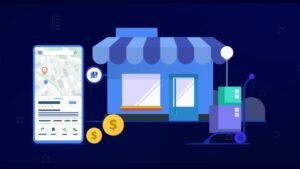
For small businesses targeting local customers, optimizing your Google Business Profile (GBP) is one of the most powerful steps to improve visibility and conversions. A well-optimized profile helps your business appear in key places where potential customers actively search, such as:
- Google Maps
- Local search results
- Nearby suggestions
- Voice search recommendations
According to the Online Marketing Guide, your Google Business Profile works like a digital storefront that influences how customers perceive your brand even before visiting your website. A fully completed GBP must include:
- Business name & verified location
- Business category & services offered
- High-quality photos and videos
- Operating hours & holiday timings
- Phone number and contact details
- Website link
Customer reviews & review responses
Products, pricing & menu options (if applicable)
The Online Marketing Guide highlights that improving your GBP increases trust, boosts search visibility, and directly influences local actions. Strong Local SEO can significantly increase foot traffic, walk-ins, phone calls, and inquiries, helping small businesses grow faster without huge advertising costs.
Influencer and Collaboration Marketing
Small businesses don’t always need expensive celebrity influencers. According to the Online Marketing Guide, micro-influencers (1,000–50,000 followers) offer affordable, authentic, and high-engagement promotional opportunities.
- Build social proof and brand credibility
- Increase brand awareness and visibility
- Reach a highly targeted local audience
- Improve engagement, conversions, and loyalty
- Drive real results like store visits, website clicks, and sales
The Online Marketing Guide also suggests collaborating with local creators, college students, community pages, and nearby businesses to expand reach. Joint offers, co-branding events, customer giveaways, and social media collaborations can lead to massive organic growth.
Whether through GBP optimization or influencer partnerships, the Online Marketing Guide emphasizes consistency, authenticity, and customer connection as the keys to building a strong digital presence.
Video Marketing

Videos have become the most powerful and influential form of content online. In today’s digital landscape, platforms like YouTube, Instagram Reels, Facebook Reels, and TikTok allow small businesses to creatively present their products and services in a way that captures attention instantly. According to the Online Marketing Guide, video content outperforms text and images because it delivers information quickly, emotionally, and visually—making it easier for customers to connect with your brand.
Ideas for Video Content
The Online Marketing Guide recommends a variety of video styles that small businesses can use to maximize reach and engagement:
-
Product demos & feature explanations
-
Behind-the-scenes videos showing the work, effort, and people behind your brand
-
Customer testimonials and real experience reviews
-
Educational and how-to videos that solve customer problems
-
Before-and-after transformations (perfect for salons, cleaning services, fitness, interior design, etc.)
-
Offers, promotions, festival greetings, and announcements
The Online Marketing Guide explains that videos help customers understand your product better, visualize results, and feel confident making a purchase.
Why Video Marketing Matters
The Online Marketing Guide highlights several benefits of using video marketing:
-
Increases user engagement and retention
-
Builds trust and customer loyalty
-
Boosts conversions and sales
-
Expands reach through algorithms that favor video content
-
Encourages sharing and attracts new audiences
-
Strengthens brand identity and emotional connection
Short-form video is one of the fastest ways for small businesses to go viral, while long-form educational videos establish authority and expertise. When planned strategically, video content can become a powerful engine for growth.
Whether you’re promoting products, services, or your brand story, the Online Marketing Guide recommends using video as a core part of your online marketing strategy to stand out in a competitive market.
Customer Reviews and Reputation Management
Customers rely heavily on reviews before making buying decisions. Encouraging customers to leave feedback on Google, Facebook, or your website boosts credibility.
You can improve online reputation by:
- Responding quickly to reviews
- Thanking customers
- Solving issues politely
- Highlighting positive reviews
- Using social proof in marketing
- A strong online reputation directly impacts conversions and customer loyalty.
How Small Businesses Can Create a Simple Online Marketing Plan
Here’s a step-by-step guide to building a manageable online marketing plan:
Step 1: Identify your goals
Decide what you want:
- More website traffic
- More leads
- More sales
- Improved brand awareness
- Better customer engagement
Step 2: Understand your audience
Know your ideal customers:
- Age
- Interests
- Location
- Budget
- Pain points
Step 3: Choose the right platforms
Not every platform is for every business. Choose where your audience is most active.
Step 4: Plan your content
Create a content calendar for:
- Social media posts
- Blog articles
- Video content
- Email newsletters
- Step 5: Use analytics to improve
Track:
- Engagement
- Clicks
- Views
- Conversions
- Adjust your strategy based on performance.
- The Future of Online Marketing for Small Businesses
Digital marketing is continuously evolving. Small businesses must adapt to new trends such as:
- AI-powered marketing
- Personalized customer experiences
- Voice search optimization
- Short-form video dominance
- Social commerce (shopping directly on platforms)
- Chatbots and automation
- Businesses that adopt technology early will stay ahead of the competition.
Conclusion
Online marketing for small businesses is not just a trend—it’s an essential foundation for success in today’s digital world. Whether you are a small shop owner, freelancer, service provider, or startup entrepreneur, digital marketing provides powerful opportunities to reach more customers, build a trusted brand, and grow your business without needing a massive budget. The Online Marketing Guide emphasizes that modern consumers first search online before buying anything, which makes having a strong digital presence absolutely necessary.
According to the Online Marketing Guide, online marketing enables small businesses to compete fairly with bigger companies by focusing on smart strategies instead of high spending. By using techniques like SEO, social media marketing, content creation, email marketing, online advertising, video marketing, and customer engagement, businesses can attract potential customers, generate leads, and convert them into loyal buyers. The Online Marketing Guide highlights that consistent digital efforts help businesses create long-term growth and stay competitive in 2025 and beyond.
The Online Marketing Guide strongly recommends building a presence on platforms where your audience spends time—such as Google, Instagram, Facebook, YouTube, and WhatsApp. With the right online strategy, small businesses can increase foot traffic, boost website visits, improve brand awareness, and drive more sales. The Online Marketing Guide explains that even simple steps like posting regularly on social media, optimizing Google Business Profile, collecting customer reviews, and running targeted ads can deliver rapid results without large investments.
Small businesses that ignore online marketing risk losing customers to competitors who are active digitally. The Online Marketing Guide encourages every business owner to take online marketing seriously and start developing a strong digital footprint right now. With the right marketing actions, you can create a powerful identity, reach your ideal customers, and grow faster than ever.
If you’re a small business owner, now is the perfect time to invest in online marketing and unlock your brand’s full potential. The Online Marketing Guide is your roadmap to success—helping you build visibility, trust, and profitability step by step. Follow the Online Marketing Guide to stay ahead of competition, stand out in the marketplace, and achieve long-term business success.
AUTHOR: DEVIKA V P